Namibia is a year-round destination — but the right time depends entirely on what you've come for. The dry season delivers the postcard: wildlife crowding the waterholes at Etosha, crisp blue skies over the dunes, and roads at their easiest. The green season trades big game for dramatic skies, newborn animals, and a landscape most visitors never see. Neither is better; they're simply different trips.
Here's how the year actually unfolds on the ground, from a team who drives these roads for a living.
The short answer
For most first-time visitors, May to October — Namibia's dry winter — is the sweet spot. Wildlife concentrates around water and is far easier to see, the days are warm and rainless, and self-drive conditions are at their best. The trade-off is that this is peak season, so the popular lodges book out months ahead.
If you'd rather have the country to yourself, watch thunderstorms roll across the plains, and see the desert turn briefly green, the November to April rainy season is quieter, cheaper, and spectacular in its own right.
Namibia's two seasons
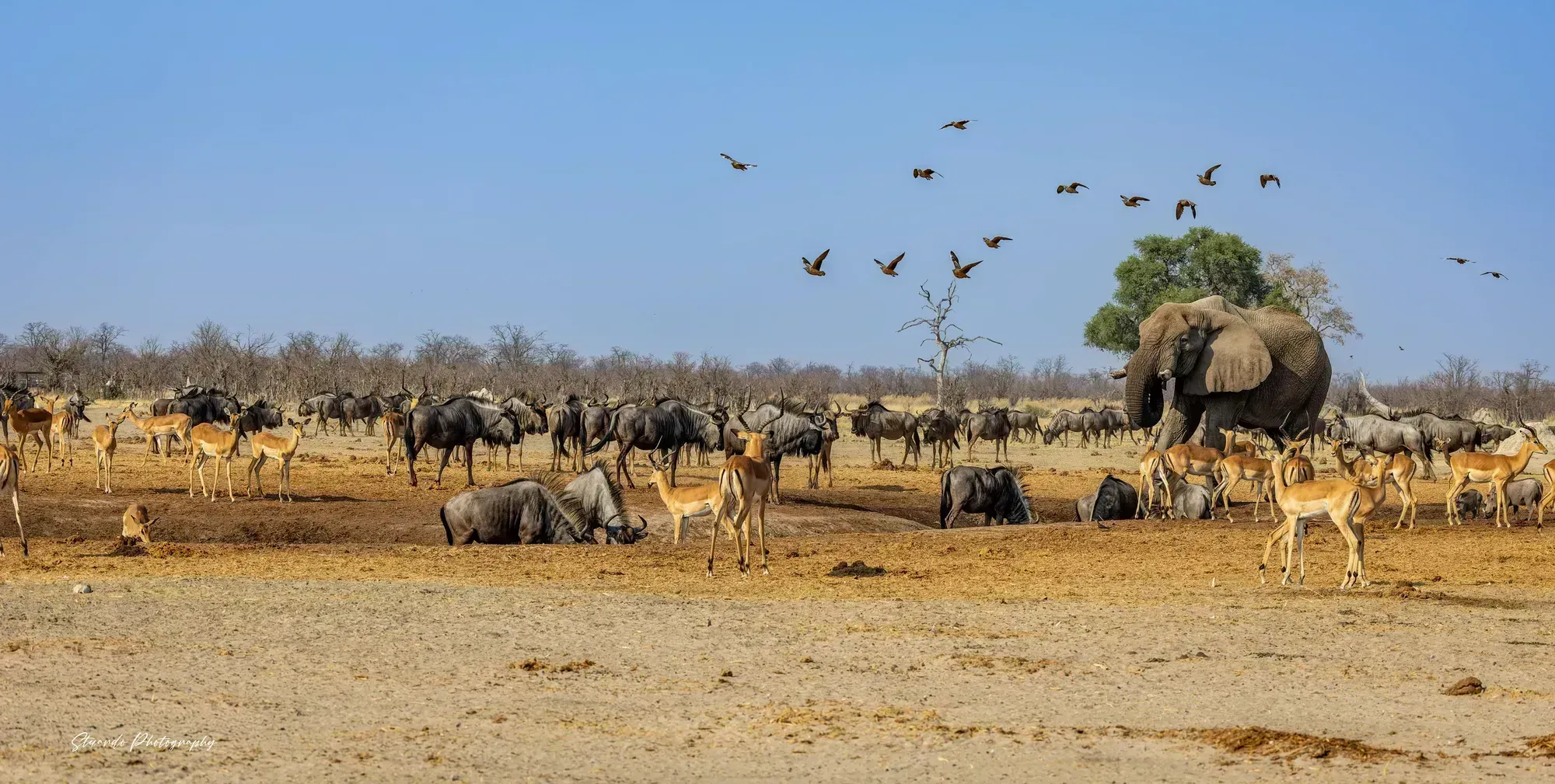
Namibia sits across the Tropic of Capricorn, so its seasons are reversed from the northern hemisphere. The dry season (May–October) is winter: sunny, rainless and cool, with desert nights that can drop close to freezing from June to August. Because there's almost no standing water, animals are forced to the waterholes — which is why dry-season game viewing is so reliable.
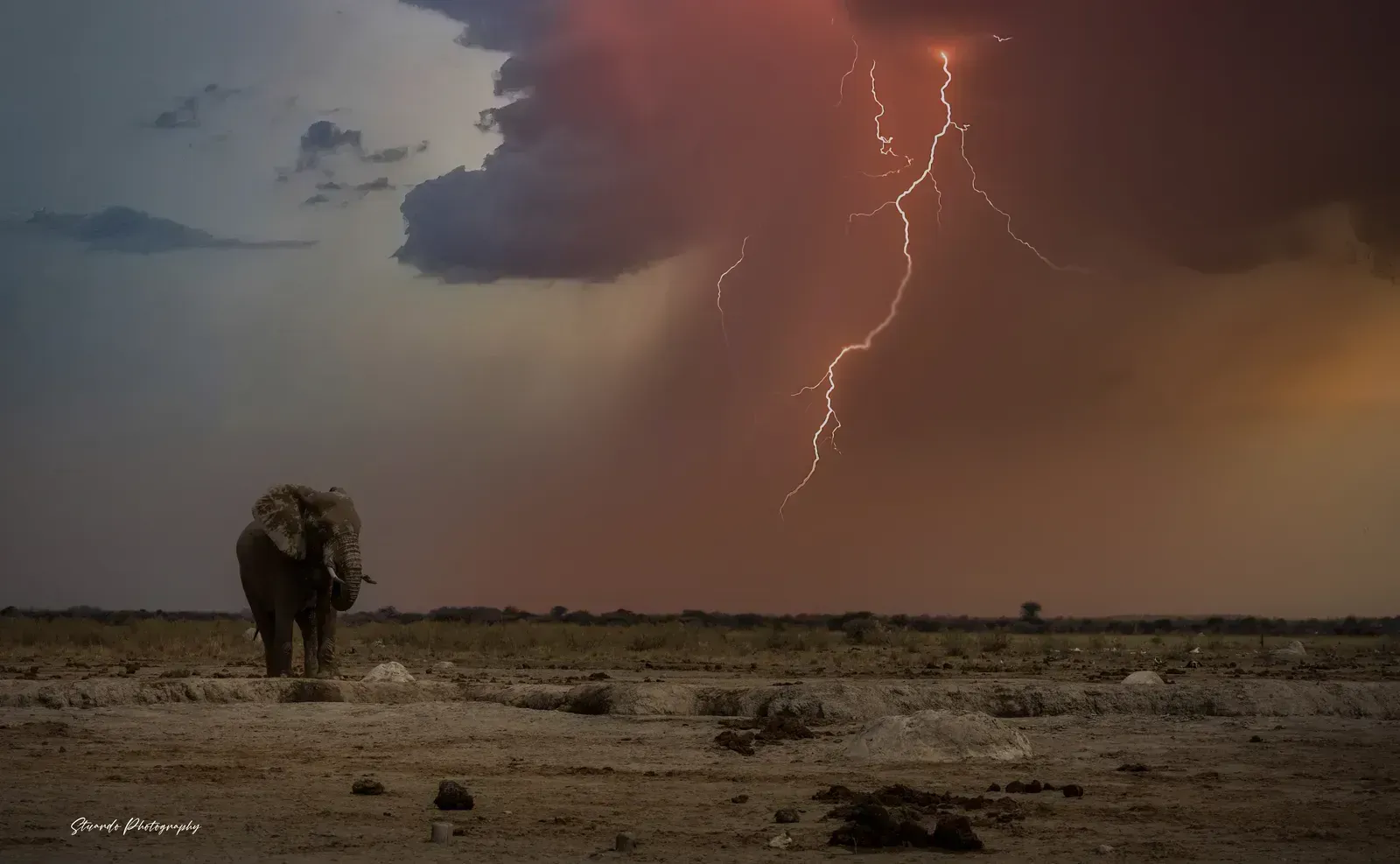
The rainy or green season (November–April) is summer: hotter, with dramatic afternoon thunderstorms rather than all-day rain. The bush turns green, migratory birds arrive, and animals disperse because water is everywhere. It's low season — fewer vehicles, lower rates, and the landscape at its most photogenic — at the cost of harder wildlife spotting and the occasional gravel road washed out by rain.
Month by month
January–February — Peak summer. Hot days, spectacular storms, lush green plains and newborn game; the Zambezi Region and the far south look their best. Occasional heavy rain can make some gravel roads tricky, so the right vehicle and routes matter.
March–April — Arguably the most underrated window: the rains ease, the landscape is still green, temperatures are pleasant, and the crowds haven't arrived. Sossusvlei and Fish River Canyon are gorgeous after rain, and rates stay low.
May — The start of the dry season and a genuine highlight. Clear air, beautiful light, wildlife beginning to gather at waterholes, and peak prices not yet in full force.
June–August — Peak dry season and prime wildlife viewing. Etosha's waterholes are busy and your chances of lion and rhino are highest. Book early, and pack warm layers — desert nights and early game drives are genuinely cold.
September–October — Many guides' favourite months. Game viewing peaks as the last water dries up, while the days warm again. This window books out first.
November–December — The first rains arrive, the bush greens up, and migratory birds return. Coastal cities start booming with life and festivals. Prices drop and international crowds thin. Neighbouring countries - like South-Africa - have holidays during this period, market volumes for self-drives and smaller local operators pick-up. Note that river cruises in the Zambezi Region can be limited by low water from September to December.
When to go, by what you want to do
- Classic wildlife and Etosha: June to October — the drier it gets, the better the game viewing.
- The Sossusvlei dunes: any time, but the light is cleanest in the dry months and a sunrise dune climb is more comfortable outside the summer heat.
- Photography and dramatic skies: the green season (January–April), when storms gather over the dunes and the plains turn emerald.
- The Zambezi Region and birding: the green season brings 400-plus bird species, though high-water boat cruises depend on the season.
- The far south (Fish River Canyon, Lüderitz, Kolmanskop): avoid peak summer heat; the multi-day Fish River hiking trail runs only in the cooler months, roughly May to September.
- Fewer crowds and lower prices: November to April.
How the seasons vary by region
"The Namibian year" is really several different years happening in different parts of the country at once — a single national forecast hides more than it tells you. Here's how four regions actually diverge from the pattern above.
The coast runs on its own logic
Swakopmund and Walvis Bay don't follow the interior's summer-hot, winter-cool rule at all. The cold Benguela Current running up the Atlantic pulls in a persistent bank of morning fog, which keeps the coast noticeably cooler and greyer than the desert 30 km inland — some of the coolest days of the "summer" happen right here while Sossusvlei bakes. Occasionally an *oosweer* (east wind) blows hot desert air out to the coast and flips this on its head for a day or two, pushing coastal temperatures into the mid-30s°C. If you're pairing the dunes with Swakopmund, pack for both — warm layers for the coast, sun protection for the desert, sometimes on the same day.
Etosha and the north
This is where the dry/wet split matters most for wildlife. Etosha's pans hold water for barely a tenth of the year, so as the dry season deepens from June onward, animals are pushed onto a shrinking number of waterholes — which is exactly why September and October game viewing is so concentrated. Come back in February and the same waterholes can be one option among many, with animals scattered across a green, temporarily water-rich landscape.
The far south
Fish River Canyon's multi-day hiking trail is only open roughly May to mid-September — outside that window the floor of the canyon is closed by park authorities because of the heat, not by choice. Even if you're only viewing it from the rim rather than hiking it, the far south is markedly cooler and drier than the rest of the country, and a good pick if you're travelling in the shoulder months and want to dodge the most intense sun.
The Zambezi (Caprivi) runs late
The Zambezi Region breaks the country's single-rainy-season pattern entirely. Its rivers are fed from much further north and east, in the Angolan and Zambian highlands, so peak flood levels typically arrive in February–April — weeks to months after the local rains have already eased. A boat safari here in March can mean a very different, higher water level than a self-drive traveller sees anywhere else in Namibia at the same time, and low water from around September to December can limit some cruises.
One thing that matters more than the month: your arrival day
Namibia is vast, and distances are substantial. If your flight lands in Windhoek in the morning, you can usually start your route the same day. If you land after midday, it's far better to overnight in or near Windhoek and set off fresh — something we'll always arrange rather than have you rushing a long first leg tired.
Common questions
What is the best month to visit Namibia?
September and October are the single best months for wildlife, when animals gather at the last remaining waterholes and the weather is warming. May to October overall is the most reliable window for a first visit.
Why is the Namibian coast cooler than the desert inland?
The cold Benguela Current offshore pulls in persistent morning fog at Swakopmund and Walvis Bay, keeping the coast noticeably cooler and greyer than the desert only 30 km inland — sometimes at its coolest during what's technically the hottest time of year further inland.
Why do the Zambezi Region's rivers flood later than the rest of Namibia?
The Zambezi Region's rivers are fed from further north and east in Angola and Zambia, so their flood peak typically arrives in February to April — weeks or months after the rains have already eased across the rest of the country, which is why it runs on its own separate seasonal calendar.
What is the rainy season in Namibia?
Roughly November to April. Rain usually comes as short, dramatic afternoon thunderstorms rather than all-day downpours, and it turns the desert green while making wildlife harder to spot as water disperses.
Is Namibia good to visit year-round?
Yes. There is no bad time — only different trips. The dry season (May–October) is best for wildlife and easy driving; the green season (November–April) is quieter, cheaper and more dramatic for photography.
When is the best time to visit Sossusvlei?
Sossusvlei is striking year-round, but the dry winter months offer the clearest light and the most comfortable temperatures for a sunrise climb up the dunes. Summer midday heat is intense.
When is the best time for an Etosha safari?
June to October. As the dry season deepens, wildlife is forced to the waterholes in large numbers, making sightings far more reliable — with September and October the peak.
Plan your Namibia trip
Every Sandura journey is private and built by hand — self-drive, privately guided or fly-in, shaped to how you like to travel and to your budget. Tell us what you're hoping for and we'll come back to you personally.
Plan your trip