Dunes, Coast & Wildlife is a 10-day Namibia itinerary staying at Sossusvlei, Swakopmund, Spitzkoppe and Etosha. It runs as a 2,210 km loop from Windhoek, self-drive or privately guided, from N$54,150 per person sharing at 2027 rates.
At a glance
10 days, 9 nights
4 places you sleep
≈2,210 km, a loop from Windhoek
Self-drive or privately guided
Sossusvlei — 2 nights
Swakopmund — 3 nights
Spitzkoppe — 1 night
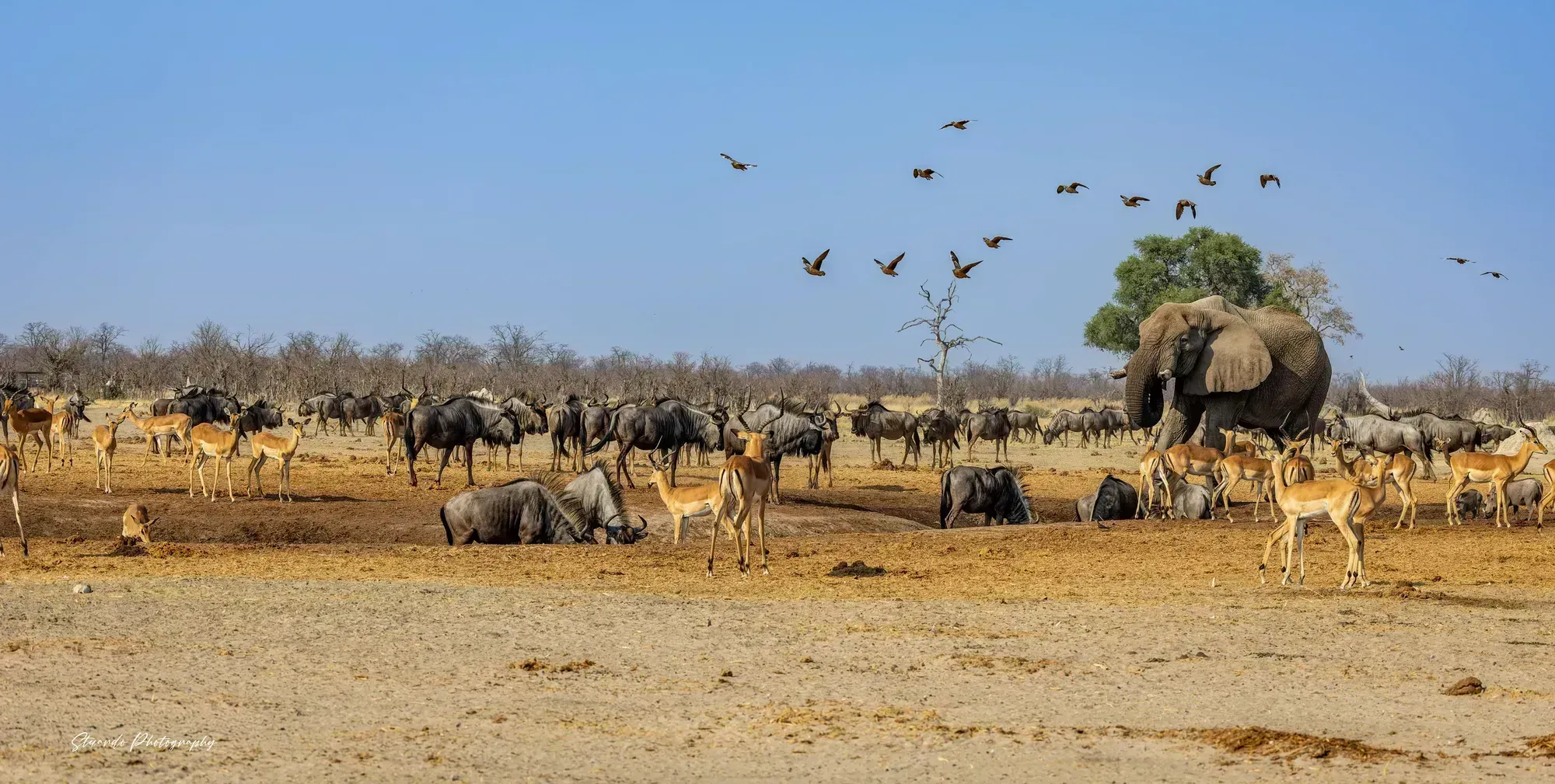
Etosha — 3 nights
Sandwich Harbour — day trip
What is the Dunes, Coast & Wildlife route?
Dunes, Coast & Wildlife is the classic Namibian circle with room to breathe — ten days that take in the dune sea, the Atlantic, the granite and the great game park without ever cramming two big things into one day. If you have a fortnight or less and want the whole country in a single loop, this is the one.
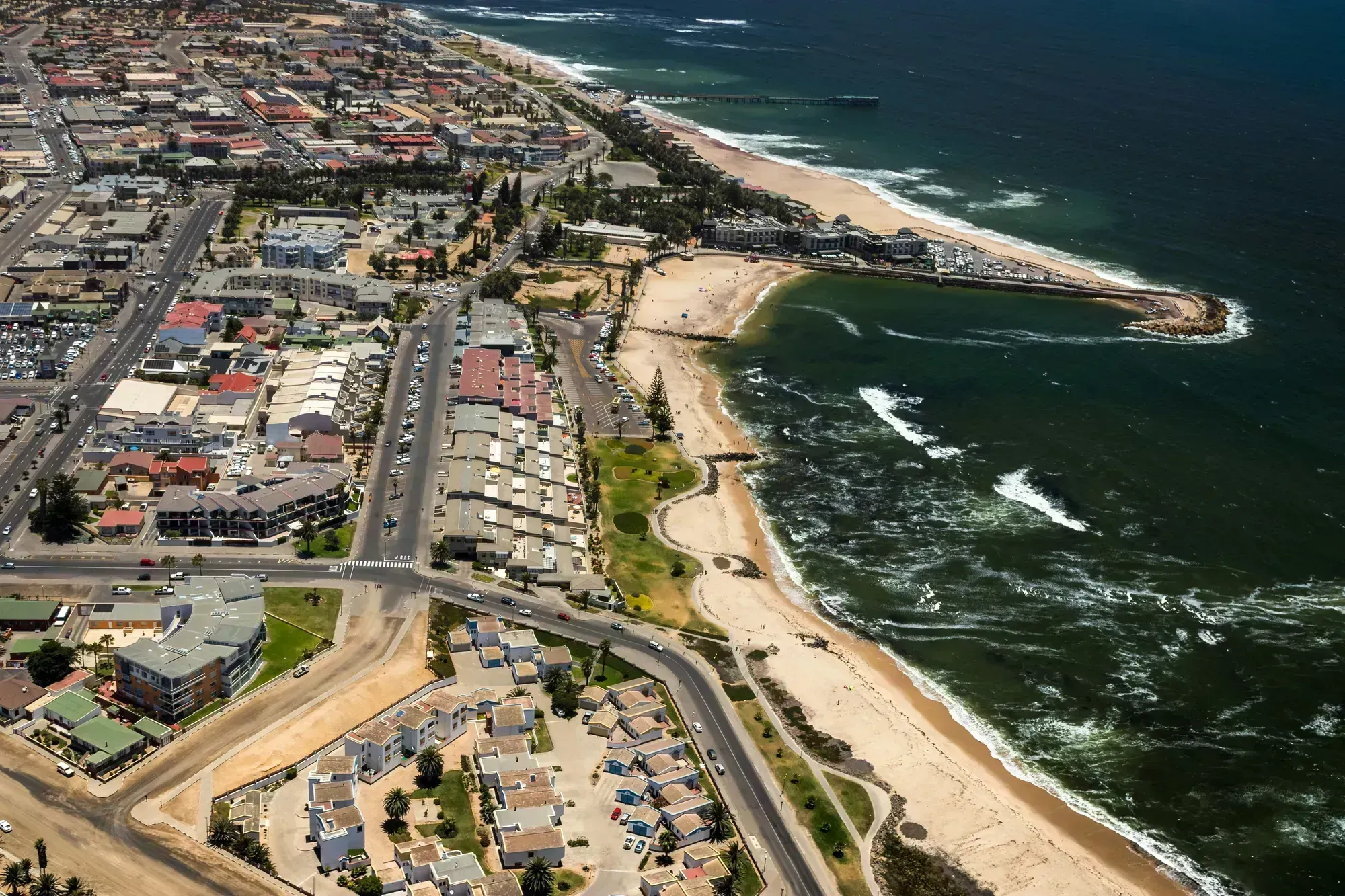
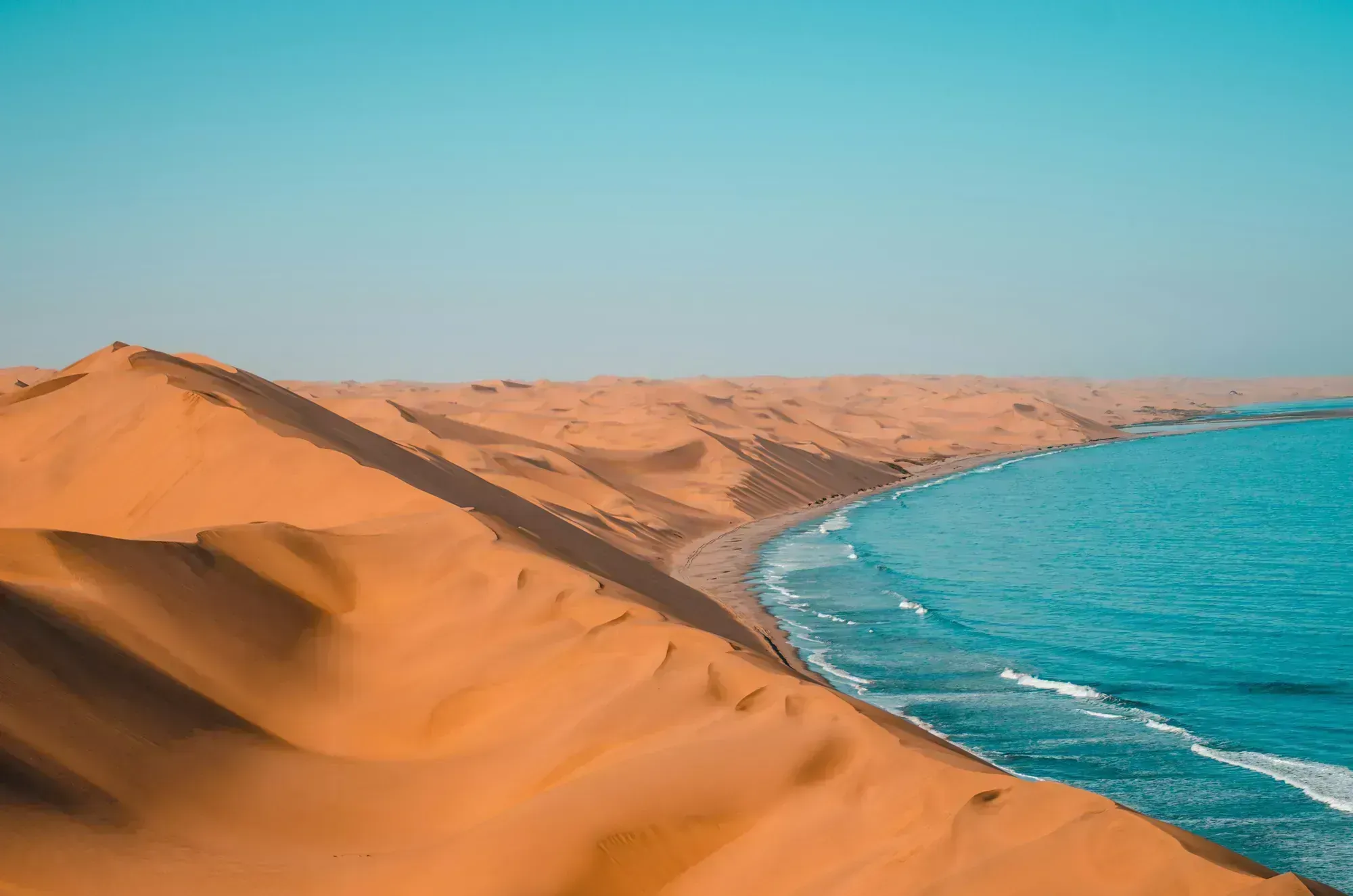
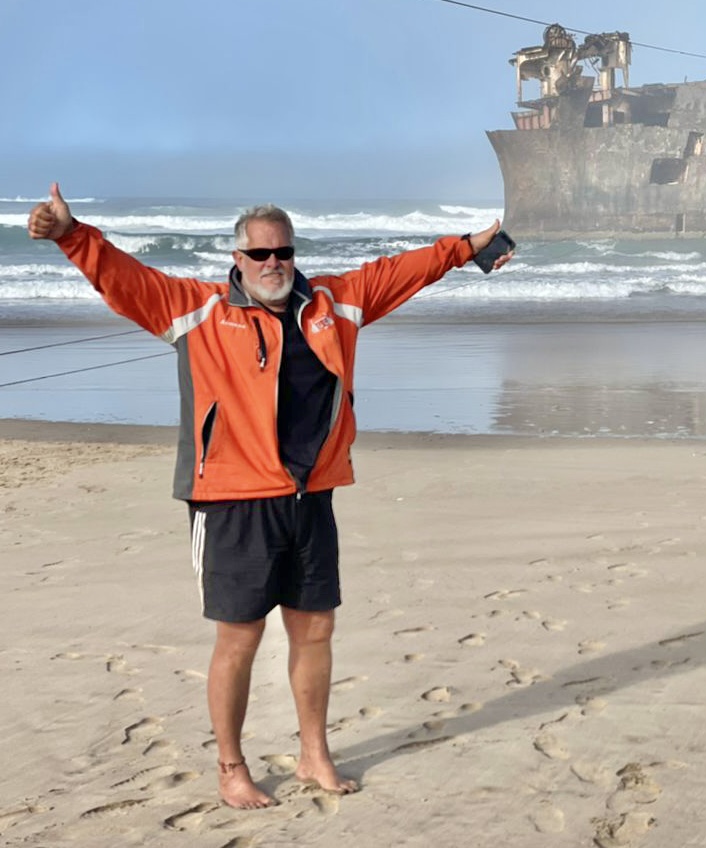
It begins with two nights among the red dunes of Sossusvlei, then three on the coast at Swakopmund — with a guided 4x4 half-day into Sandwich Harbour, where the towering dunes pour straight into the cold Atlantic and flamingos work the lagoons. From there it turns inland for a night beneath the granite peaks of Spitzkoppe, and finishes with three full nights at Etosha's waterholes, long enough for the wildlife to come to you.
The extra day over a standard circuit is exactly what makes it: a full day at Sandwich Harbour, a third night at Etosha, and no leg so long it eats the morning. Ten days, nine nights, one loop out of Windhoek — the complete Namibia, taken at a human pace.
A note on day one: the route sets off from Windhoek or Hosea Kutako airport before 12:00. If your flight lands later, we add a night in Windhoek before the trip begins — the distances out here are real, and the first evening often has something booked.
Self-Drive or Privately Guided?
Self-drive
The whole country in one loop, self-driven at a pace that never crams two big things into one day — and since Sandwich Harbour is already a guided excursion within the route, you get one professionally-guided day even on the self-drive version.
Privately guided
Ten days and six stops is a lot to coordinate — a guide handles the pace, the parking, the timing around Sandwich Harbour's tides, and adds real depth at Etosha's waterholes on top of everything the route already covers.
Windhoek — Day 10Sossusvlei — Days 1–2, 2 nightsSwakopmund — Days 3–5, 3 nightsSandwich Harbour — Day 4, guided day tripSpitzkoppe — Day 6, 1 nightEtosha — Days 7–9, 3 nights
Who guides you?
On a privately guided trip one guide drives you the whole way, Windhoek and back. Our guides are both qualified and registered with the Namibia Tourism Board, and we match one to each trip by the route and their availability.
Guide · NTB registeredArmand BassonTwenty-five years of quality experiences through raw nature
Armand has spent more than twenty-five years driving the remote corners of southern Africa, and his driving is exceptional — he is known across Namibia for his skill and professionalism in deep sand and far off the tar. A qualified, NTB-registered guide, he brings that experience to every road and every stop along the way.
Guide · NTB registeredTommy JarmanBorn and raised in the Erongo region, based in Walvis Bay
Tommy grew up in Erongo, so the coast and the desert behind it are home ground, and his love for Namibia's landscapes — from the red dunes of Sossusvlei to the wild Atlantic shore — comes through on every drive. A qualified, NTB-registered guide and a good, careful driver, he is easy company and knows the country well, and he puts safety, comfort and a personal touch first.
You set off before 12:00, from the city or straight from the airport.
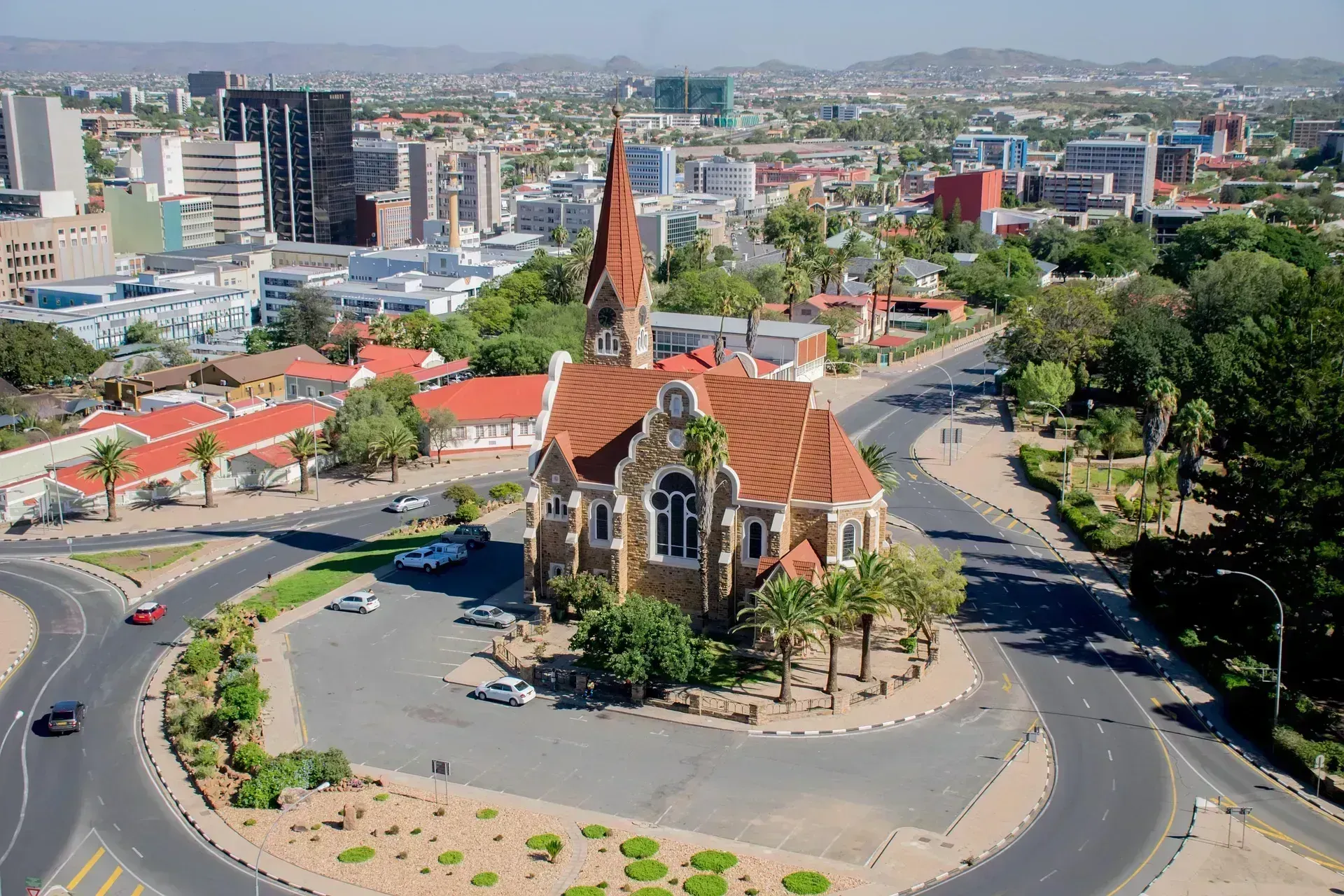
Namibia's capital sits in the highlands at 1,650 m. It is the start line rather than a night on this route — if your flight lands after midday, we add a night here before the trip begins.
Where you startWindhoekCentral · Namibia's Highland Capital
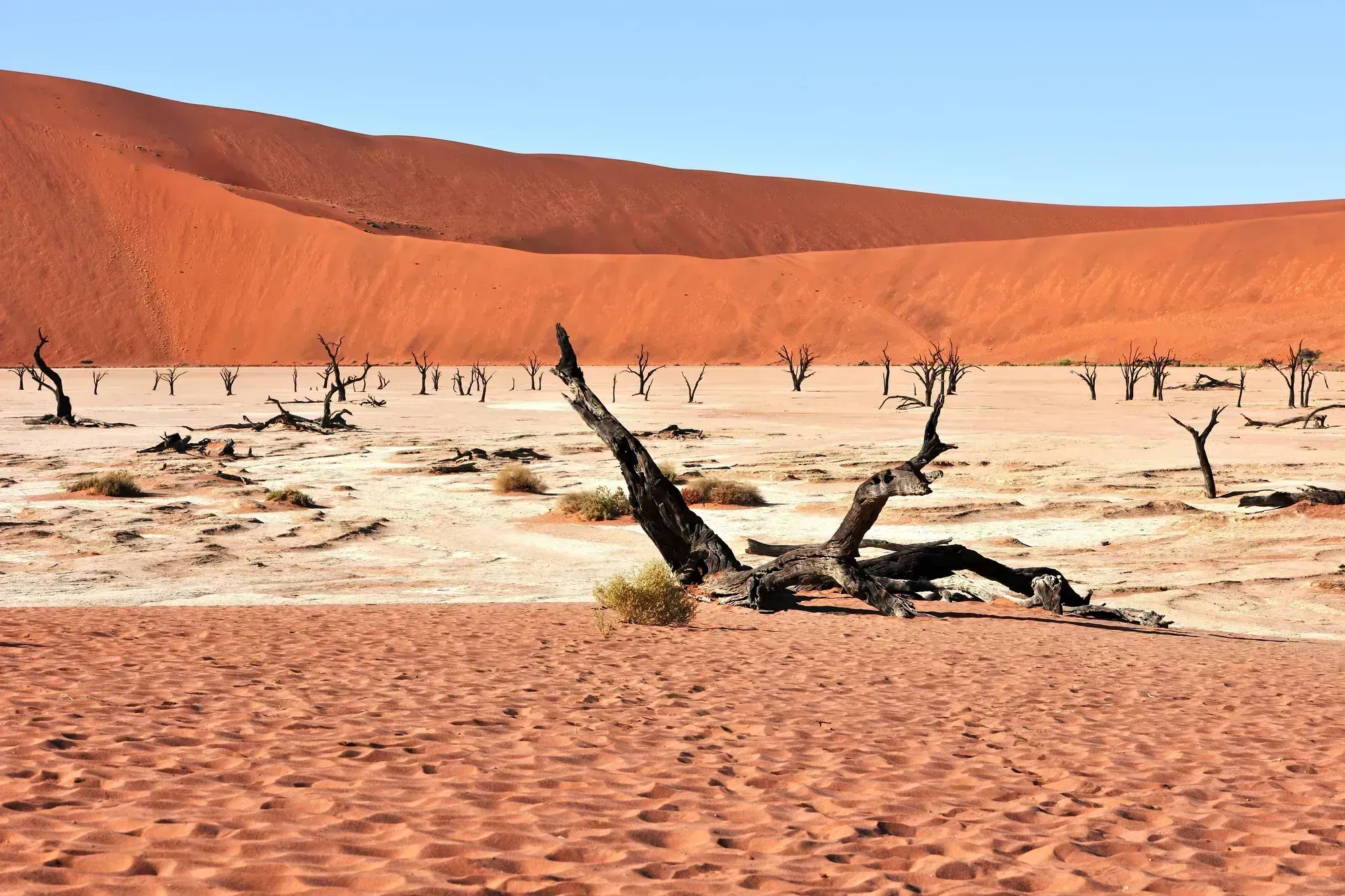
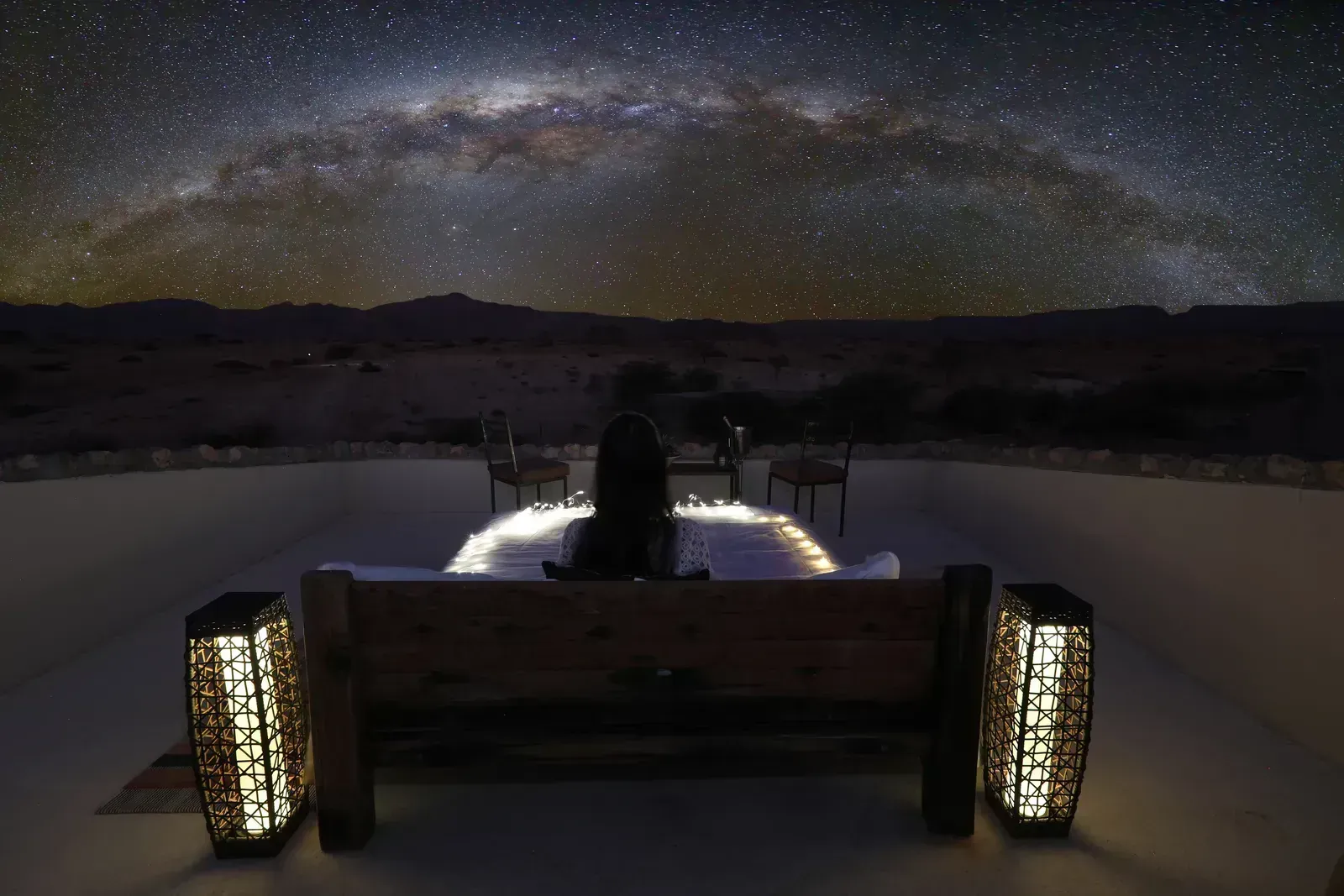
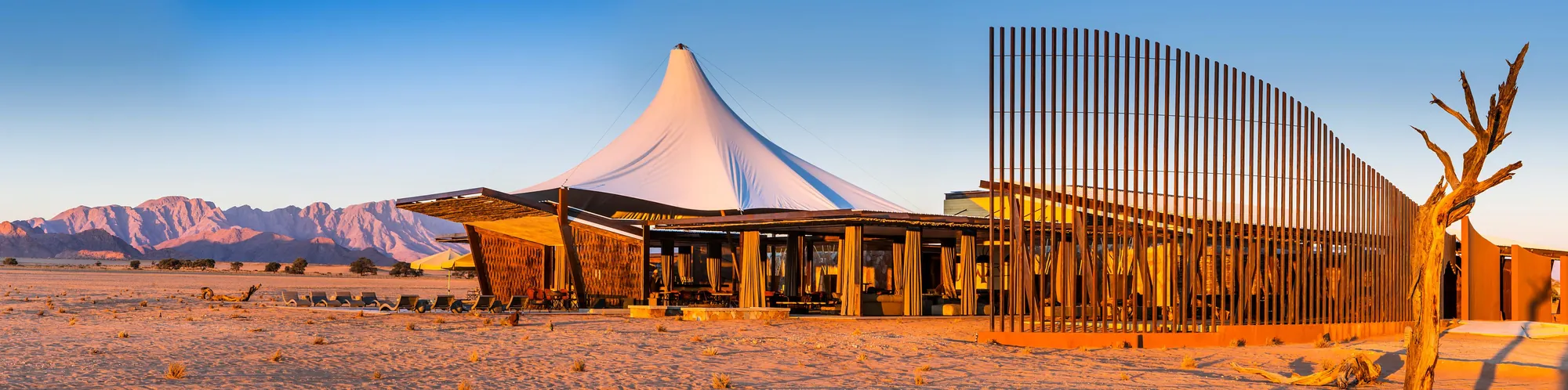
Two nights at the dune sea. Self-drive Comfortable spends its full day on Agama's Sossusvlei and Deadvlei excursion, with a star-gazing walk that night. Self-drive Premium goes into Sossusvlei with Dead Valley at sunrise and again at sunset, on the full day. On a guided trip the full day in the pan is your guide's. Premium, self-drive or guided, ends with a hot-air balloon flight at sunrise on the last morning, done by 11:00 at the latest, and the road to Swakopmund straight after. On Premium, Dead Valley's Elim dune drive and guided walk can be booked at the lodge for the evening you arrive.
Sossusvlei / Deadvlei excursion
Star gazing / scorpion walk
Sossusvlei scenic sunset drive
Sossusvlei scenic sunrise drive
Hot-air balloon flight at sunrise, last morning
Sossusvlei and Deadvlei, led by your guide
Lunch packs for the vehicle
Sossusvlei and Deadvlei, led by your guide
Hot-air balloon flight at sunrise, last morning
Where you sleepAgama LodgeStandard Chalet, DBB
Where you sleepDead Valley LodgeLuxury Tented Chalet, full board
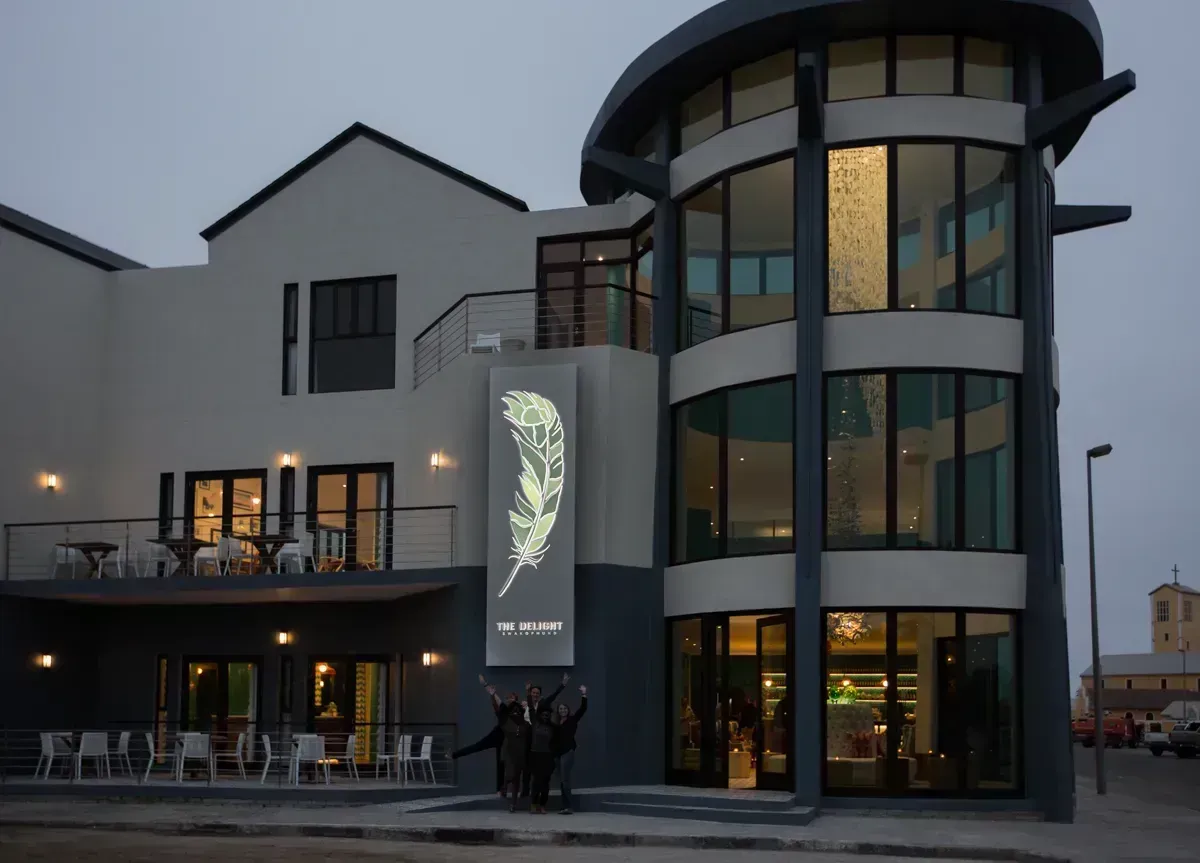
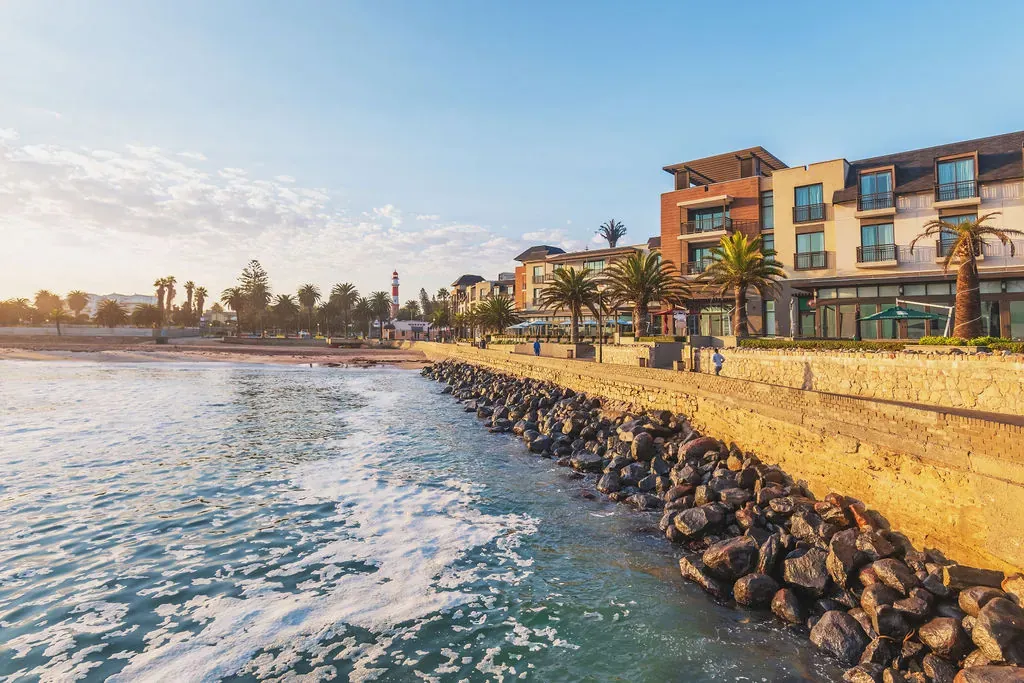
The evening you arrive is yours. The first full day is always Sandwich Harbour — a guided 4x4 half-day, out in the morning, run by us and never booked through a hotel desk; sandboarding can be booked alongside it. The dolphin and seal catamaran sails from Walvis Bay in the morning — on Comfortable the second full day, leaving the rest of it free; on Premium, whose second full day goes to a private scenic flight over the Skeleton Coast, the morning you leave.
Sandwich Harbour 4x4 excursion
Dolphin and seal catamaran cruise
Sandwich Harbour 4x4 excursion
Dolphin and seal catamaran cruise
Private scenic flight over the Skeleton Coast
Sandwich Harbour 4x4 excursion
Dolphin and seal catamaran cruise
Sandwich Harbour 4x4 excursion
Dolphin and seal catamaran cruise
Private scenic flight over the Skeleton Coast
Where you sleepThe Delight SwakopmundDouble/twin room, sharing
Where you sleepStrand Hotel SwakopmundStandard Room, B&B
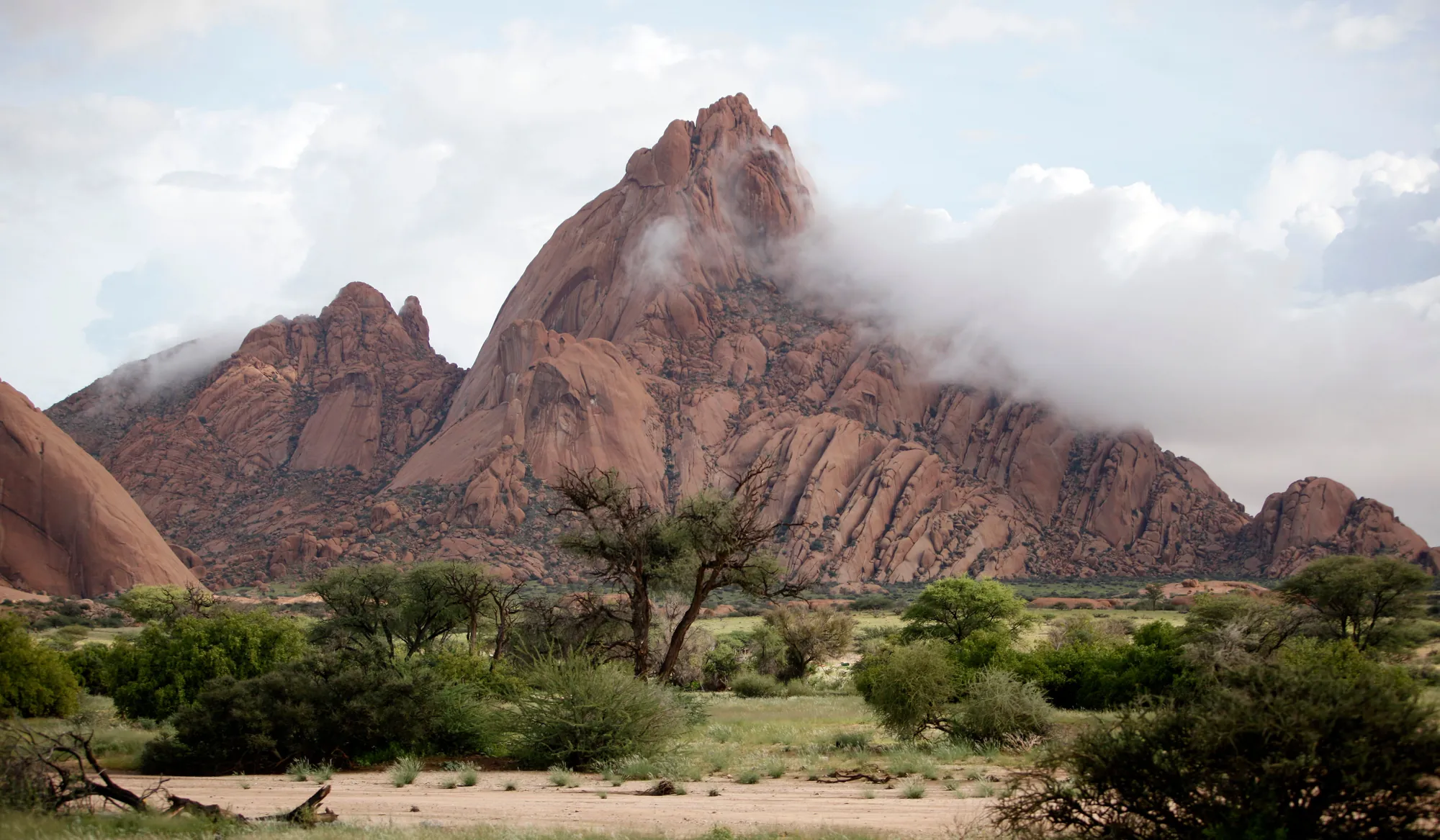
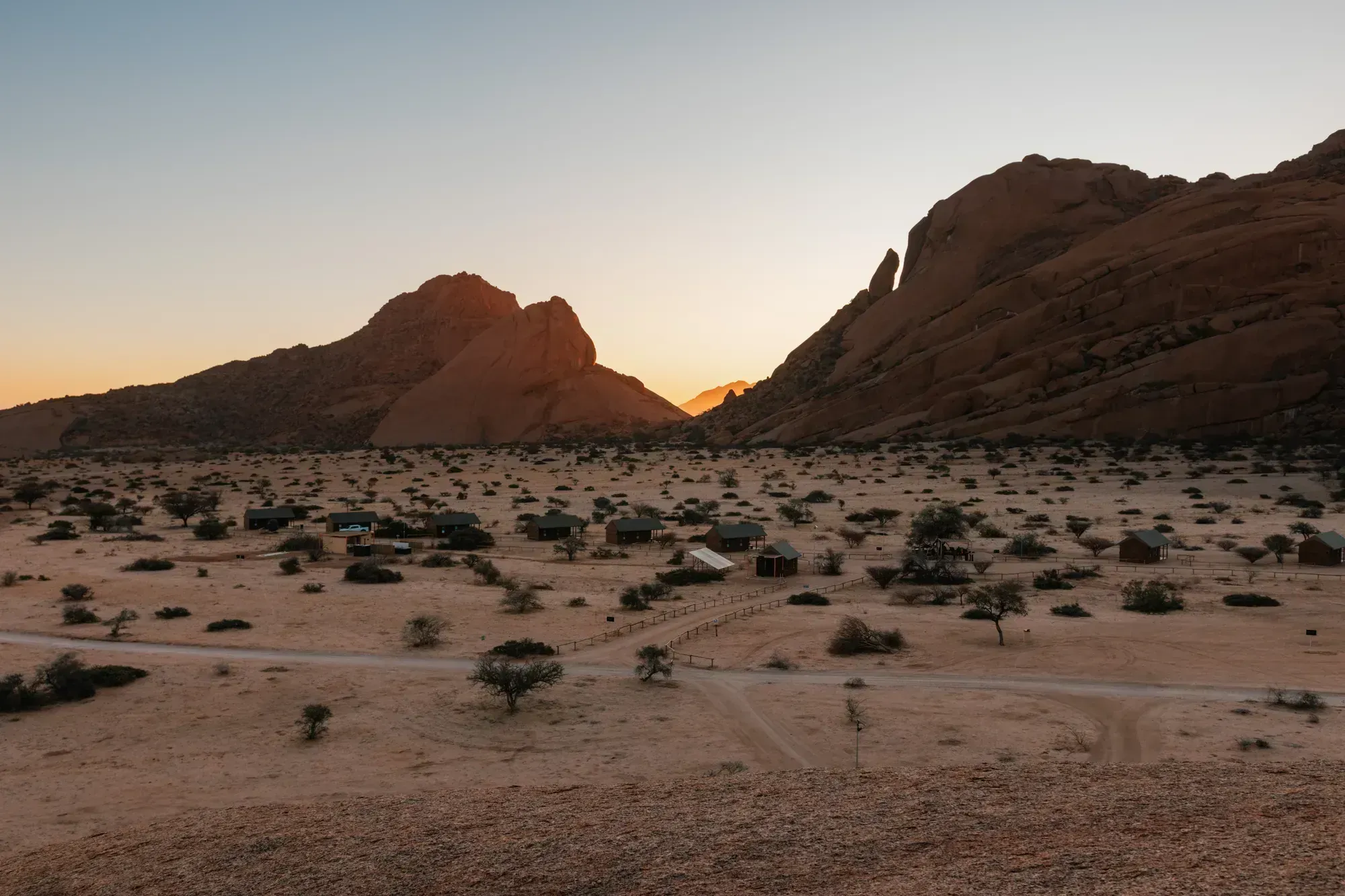
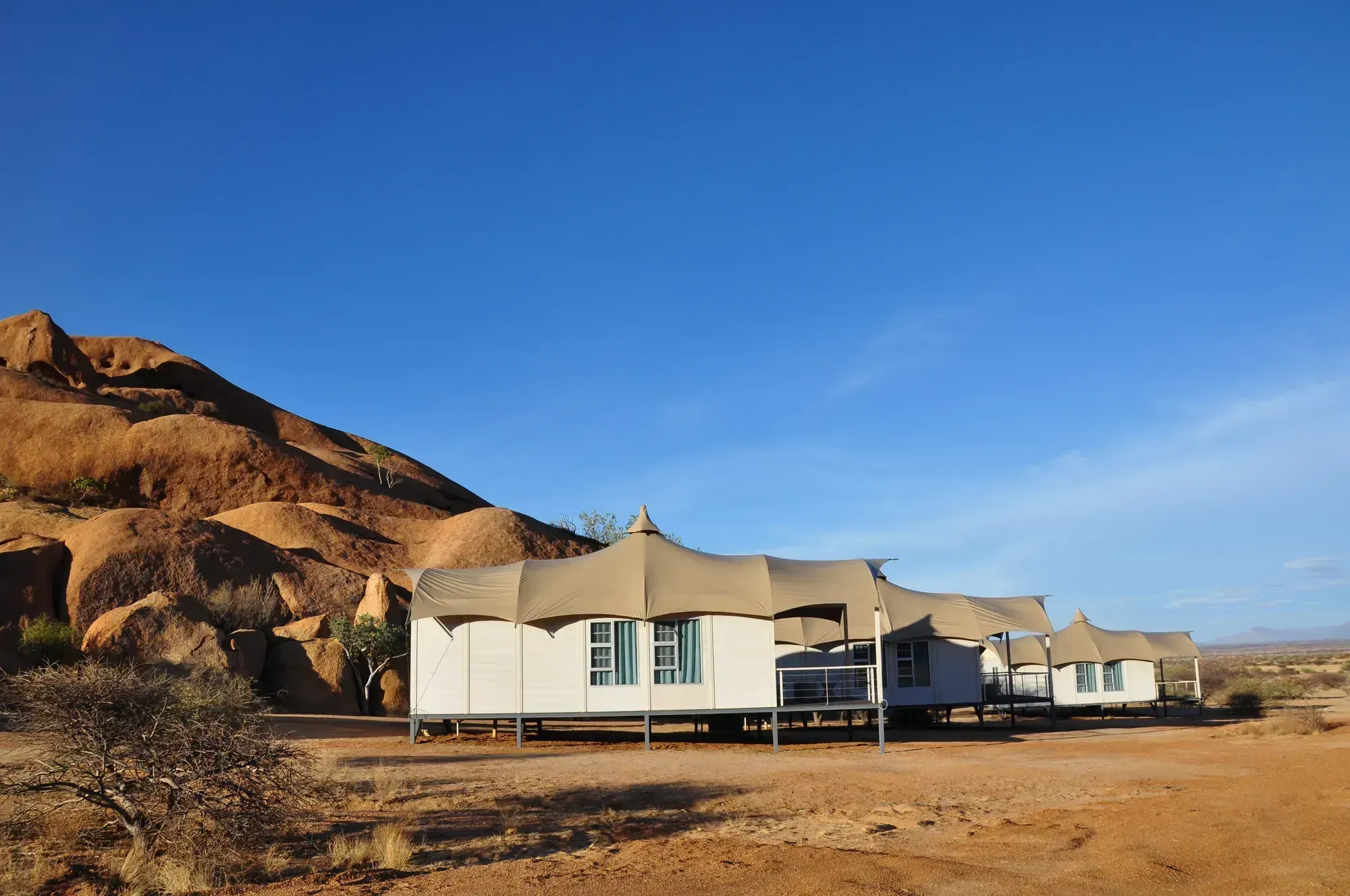
One night under the granite. At Comfortable that is the Cabin Camp: quiet, a fire and dinner you cook yourself — on a guided trip your guide cooks, standard dishes, agreed with him before you leave so he can provision. Premium includes Spitzkoppen Lodge's guided walk to the chain and the rock arch, which the lodge keeps for its own guests. Everyone can add a community-guided hike instead: the Spitzkoppe campsite guides take walks to the rock arch, the Bushman paintings and the Golden Snake, and the long climbs up Gross Spitzkoppe and the Pontokke. Booked and paid at the campsite reception when you arrive, so it is not in the price, and the early starts are the good ones.
Nothing booked — the day is yours
Guided walk / chain tour
Nothing booked — the day is yours
Guided walk / chain tour
Where you sleepSpitzkoppe Cabin CampCabin, sharing · Self-catering — you cook, or your guide does
Three nights on the park's edge. Self-drive includes a half-day park excursion with a Gondwana guide and a guided walk; privately guided, your guide drives the full park day himself.
Half-day park excursion
Guided walk
Full-day park excursion
Private waterhole hide excursion
Full day in the park, driven by your guide
Full day in the park, driven by your guide
Private waterhole hide excursion
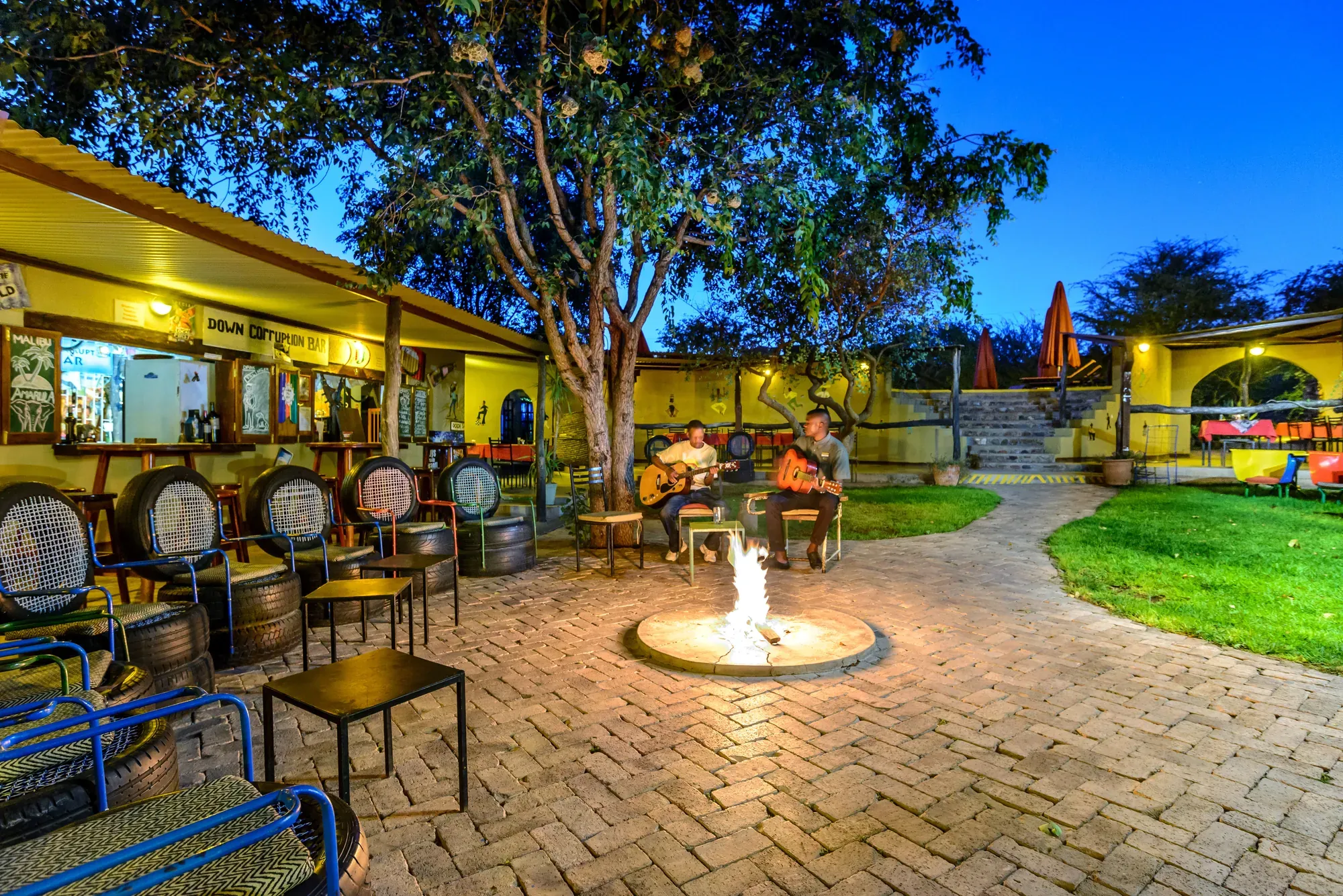
Where you sleepEtosha Safari CampDouble/twin room, sharing
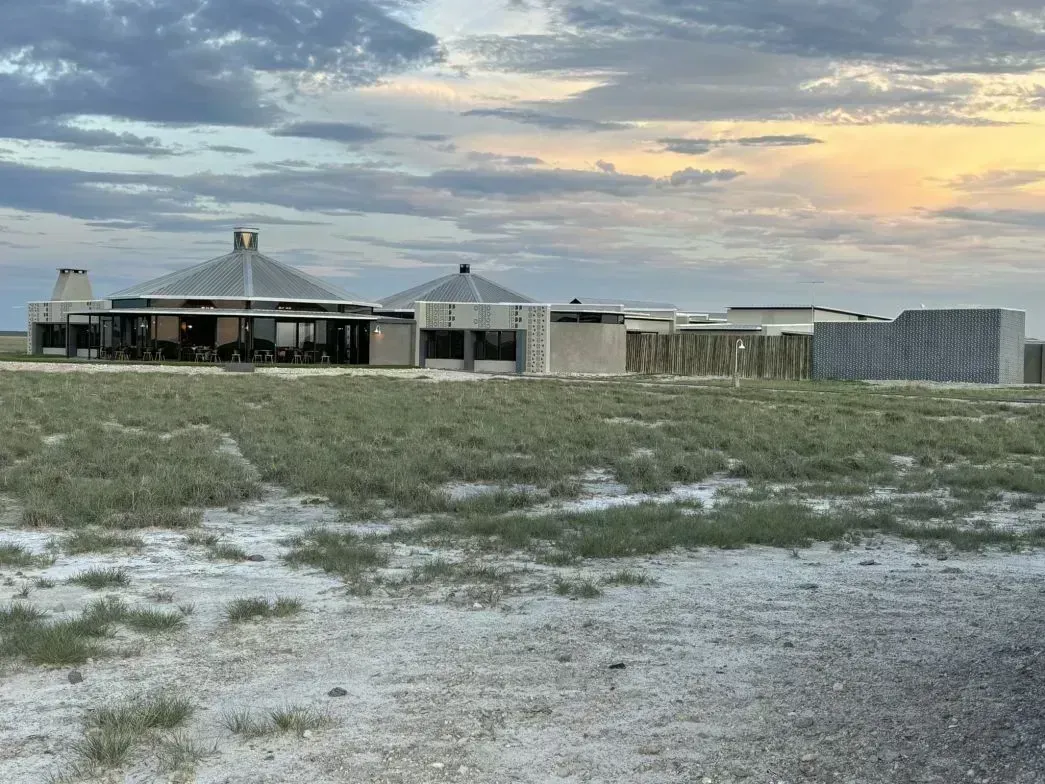
Where you sleepEtosha King NehaleDouble/twin room, sharing
Etosha to Windhoek, about 590 km — the loop closes.
How much does this 10-day Namibia itinerary cost?
Per person sharing, 2027 rates. We bill in Namibian dollars; other currencies are converted for guidance and will move with the exchange rate. The single supplement is what one traveller pays on top for a room to themselves.
Driving
Staying
Low season
High season
Alone, add
Self-drive
Comfortable
N$54,150
N$60,000
N$22,150
Self-drive
Premium
N$119,000
N$126,850
N$58,550
Privately guided
Comfortable
N$75,000
N$80,850
N$47,000
Privately guided
Premium
N$141,200
N$149,100
N$84,650
Scroll the table sideways to see every column.
What is included in the price?
Included
Every stay for the nights shown, matched to your chosen travel style
Your 4x4 vehicle for the whole route — unlimited kilometres, insurance and cross-border papers
The guided Sandwich Harbour 4x4 excursion
Personalised route and trip planning by our own team
Park and reserve entrance fees for the stops on this route
24/7 support from Sandura while you're on the road
A private guide throughout, if travelling guided
Not included
Flights to and from Namibia
Meals and activities not specified at each stay
Travel insurance and personal expenses
Gratuities for guides and lodge staff
When to Go
May to October, Namibia's dry season, suits every stop on this loop — not just one or two. Etosha's waterholes concentrate wildlife when the bush is driest; Sossusvlei's dunes photograph best in the low winter light; Spitzkoppe's night skies are clearest with the low humidity; and the Sandwich Harbour excursion runs calmest before the afternoon wind picks up, which happens on more days than not regardless of season. If you can only time one Namibia trip around the dry season, this loop touches enough of the country to be the one most worth it. For the month-by-month detail, see our Best time to visit Namibia guide.
Good to know before you go
On the road
Namibia's speed limits are lower than they feel on these open roads: 120 km/h on tar, 80 km/h on gravel, 60 km/h through any town — gravel in particular deserves real respect at that speed.
Meeting oncoming traffic on gravel, ease off the accelerator and keep left. It protects your windscreen from thrown stones and stops their dust cloud from blinding you.
If the back of the vehicle starts to slide — fishtailing, common on gravel, after rain, or if a tyre bursts or suddenly deflates — the fix is the same and just as counter-intuitive: come off the accelerator, hold the wheel steady, and let the car settle back into line. Braking hard or fighting the wheel is what turns a slide into a spin, whatever caused it.
Wildlife crosses these roads, especially at dawn, dusk and after dark. If something steps out ahead of you, staying in your lane matters more than stopping in time — swerving is what causes rollovers, not the animal. Brake hard if you're confident you'll keep full control doing so; if the surface makes that risky, ease off instead and let your lane position, not your brakes, keep you safe.
Headlights on, day and night, on every road — it's how oncoming traffic finds you through the dust.
Sun, water & health
This is desert country — dry, intensely sunny, and coastal fog can amplify sunburn even on a grey-looking day. SPF50, a hat and sunglasses earn their place in the car.
Tap water is generally safe in Namibia's towns and lodges, but as a visitor we'd still recommend sticking to bottled — new food and water always carries some risk of an upset stomach, even when it's technically safe, and bottled is the simplest way to rule it out. Keep a few extra litres in the vehicle regardless — the first thing you'll want if a gravel road ever gets the better of a tyre.
Etosha sits in a low-to-moderate seasonal malaria area. Worth a quick word with your doctor before you fly — see our Is Namibia safe? guide for the full picture.
Respecting the land
Namibia was the first country to write conservation into its constitution. Stay on marked roads and trails, and leave rock art, petrified wood and any natural formation exactly as you found it — even water sprayed on rock art to sharpen a photo does lasting damage.
It's illegal to take home natural souvenirs from anywhere in the country, however small.
Pack out everything you bring in, and if you spot litter that isn't yours — a bottle cap at a viewpoint, a stray wrapper at a rest stop — picking it up costs you nothing and leaves the place better than you found it.
Namibia's wildlife is wild, not staged: keep your distance, stay in the vehicle around anything large or unpredictable, and never approach, feed or provoke an animal for a better photo. If a situation feels tense, the right move is always to quietly create space, not to get closer — don't be a hero, a great photo isn't worth the risk.
Make Dunes, Coast & Wildlife your own
One tap loads every stop, night and drive of this route into our interactive planner — swap lodges, stretch the nights, add a 4x4 and watch the live per-person cost estimate follow along, then send the whole plan to us on WhatsApp.
Does Sandwich Harbour add an extra night to this route?
No — it's a guided 4x4 day excursion from the coast, not an overnight, so it adds a full day of dune-and-ocean scenery without extending the trip or its nights.
Is 10 days the right length for a first trip to Namibia?
For most first-timers, yes — this route covers the dune sea, the coast, Spitzkoppe's granite and a full three nights at Etosha in one loop, at a pace that never rushes the drives.
Do I need to book Sandwich Harbour, or can I skip it?
It's optional — every route we publish is a suggestion, not a script, so drop it in the trip planner if it doesn't interest you and the rest holds together fine. If you do want it, book it through us rather than at your hotel: Sandwich Harbour is the one excursion we insist on placing with a professional guide we have vetted ourselves.
Do I need a 4x4 for the whole route?
Sandwich Harbour itself is guided 4x4 only — it's tide-timed, restricted terrain. The rest of the loop is manageable in the vehicle we'd usually arrange for a self-drive trip; see our self-drive Namibia guide for the detail by region.
What's the best time of year for this route?
May to October — the dry season gives the most reliable wildlife viewing at Etosha, the clearest dune light at Sossusvlei, and the calmest coastal weather for the Sandwich Harbour excursion.
Should I rent a GPS with the vehicle?
We recommend it. Phone signal and data coverage isn't guaranteed across Namibia's more remote stretches, so a dedicated GPS unit — most rental companies offer one — is worth having as backup to offline maps.
What's Sandwich Harbour actually like?
A genuinely thrilling half-to-full day: steep dune descents in a specialised 4x4, right down to where the sand meets the surf, with flamingos and seals along the lagoon. It's tide-dependent, so timing is set closer to your dates rather than fixed in advance.
Is this route better than doing the 7-day and a separate safari?
For most guests, yes — one continuous loop means no backtracking to Windhoek partway through, and the extra days let each stop breathe rather than feeling bolted together.